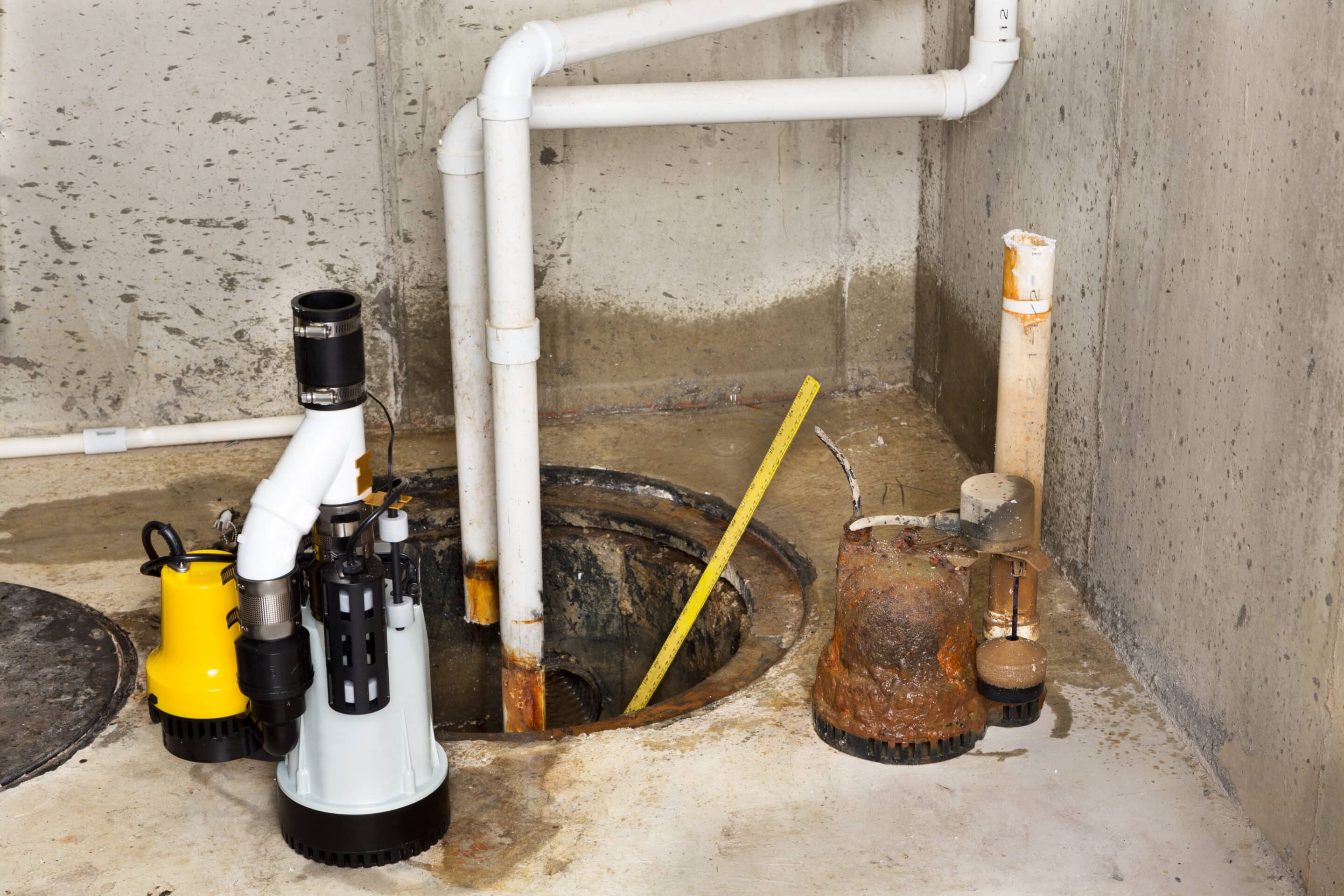
Why Every Homeowner Should Consider a Battery Backup Sump Pump
This guide is for homeowners who want to protect their basements from flooding and water damage. Understanding the importance of a battery backup sump pump can help you avoid costly repairs and protect your belongings.
A battery backup sump pump is a secondary, DC-powered pump that activates during power outages or primary pump failures. Battery-powered backup pumps are the most common backup system for sump pumps.
A sump pump battery backup helps protect your house and basement when the main pump cannot do its job, especially during power outages, pump failure, or heavy rain. For homeowners in Central Indiana, that added protection can help prevent costly cleanup, damage to finished spaces, and loss of personal items stored in the basement.
If your home has a basement or crawl space and relies on a sump pump, a battery backup is one of those upgrades that can make a big difference when you need it most. Most homeowners do not think about their sump pump until a heavy rain hits, the power flickers, and water begins to rise in the pit.
That is exactly why a backup matters.
A primary sump pump usually depends on household electricity. If the power goes out during a storm, the pump may stop working right when the groundwater is highest. FEMA recommends installing a battery-operated backup pump for power failure, and CDC flood-safety guidance also recommends sump pumps with backup power as part of preparedness planning.
For Central Indiana homeowners, that means a battery backup sump pump is not just an extra feature. It is an added layer of protection for your basement, flooring, stored belongings, and peace of mind.
What Is a Battery Backup Sump Pump?
A battery backup sump pump is a secondary, DC-powered pump that activates during power outages or primary pump failures. In most homes, it activates when:
- The power goes out
- The primary pump fails
- The main pump gets overwhelmed during heavy rain
- The primary system cannot keep up with the incoming water
Battery-powered backup systems typically use a 12-volt deep-cycle battery. These systems can move 800 to 2,000 gallons per hour from the sump pit. A fully charged deep-cycle battery typically provides 7 to 8 hours of active pumping time. Battery-powered backup systems require regular maintenance and battery replacement every five to seven years.
This gives you a second line of defense during the exact conditions when flooding risk is highest.
Why Battery Backup Matters More Than Homeowners Think
Storms and outages often happen at the same time
The biggest reason to have a battery backup is simple: bad weather and power outages often overlap.
Heavy rain, strong winds, ice, and storms can knock out electricity. If your sump pump only works when the power is on, your home is more vulnerable at the exact moment water is trying to enter your basement. That is one reason national flood-prep guidance calls out sump pumps with backup power as a protective step.
Your primary sump pump is still a mechanical device
Even a quality sump pump can wear out over time. Float switches can stick, and the motor is a key component that can fail if not properly maintained. It is important to inspect the float switch regularly, as it is the most common part that fails on a sump pump. Discharge lines can clog or freeze in colder weather. A backup does not replace maintenance, but it provides another layer of protection if the main unit stops performing its job.
That extra protection can be especially valuable for homeowners with finished basements, stored furniture, holiday decorations, or anything else they do not want exposed to water.
Basement water damage gets expensive fast
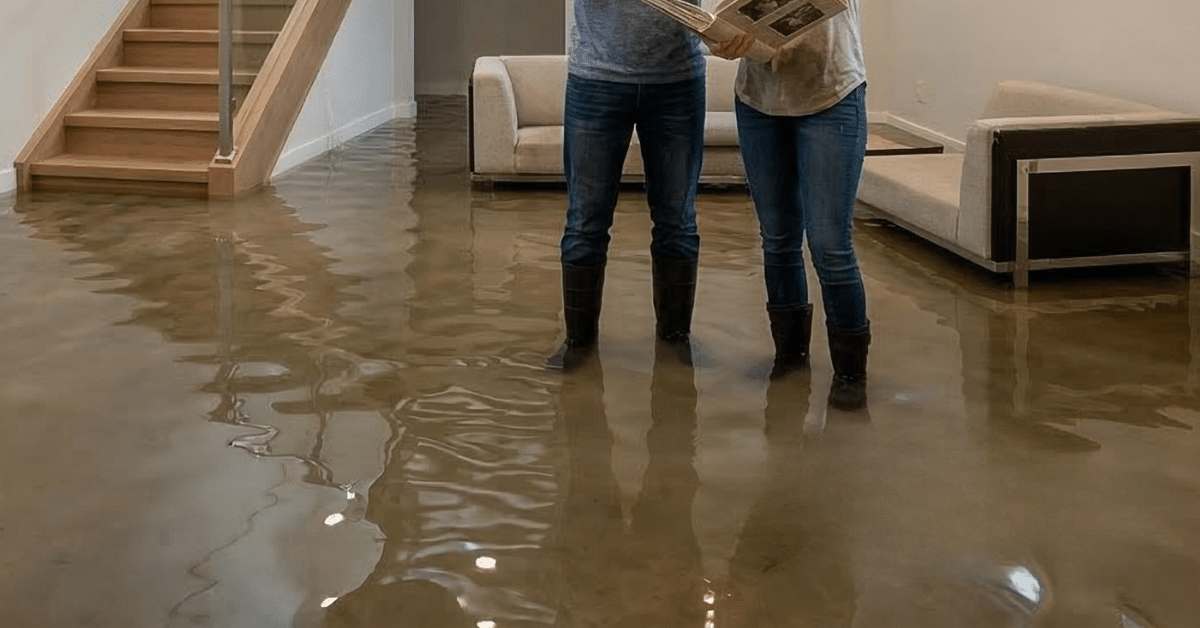
A flooded basement is not just a cleanup problem. Water can damage drywall, flooring, furniture, boxes, appliances, and anything stored low to the ground. After flooding, homeowners may also face moisture, mold, and safety concerns during cleanup. CDC guidance warns that flooded homes may be contaminated with mold or sewage and stresses safe reentry and drying to prevent further problems.
A battery backup helps reduce the chance that a temporary outage turns into a much bigger repair bill.
It helps protect your home when you are away
Many sump pump problems occur when no one is home to notice them. You might be at work, out running errands, or away for the weekend. A backup system gives you a better chance that water is still being removed from the pit even if your primary pump stops.
For homeowners who travel during storm season or wet months, that added protection can be worth serious peace of mind.
Homes That Benefit Most from a Battery Backup
A battery backup is worth considering for almost any home with a sump pump, but it is especially helpful if:
- Your basement has flooded before
- Your area gets frequent heavy rain
- Your power has gone out during storms in the past
- You have a finished basement
- Your sump pump runs often in wet months
- You store valuables in the basement
- Your current pump is older (sump pumps typically have a lifespan of about 4 to 6 years with average use, and old age can lead to failure)
If your home depends on that sump pit staying under control, a backup is not overkill. It is practical protection. As sump pumps reach old age, the risk of failure increases, making a battery backup system even more important.
Signs It May Be Time to Upgrade Your Sump Pump Setup
You may want to ask about a backup system if:
- Your current pump is several years old
- The pump cycles frequently during storms
- You hear unusual noises
- The pit rises quickly in heavy rain
- You do not already have a secondary pump
- You are replacing the main sump pump anyway
In many cases, adding battery backup during a sump pump replacement makes sense because the system can be planned as one clean install rather than a separate project later.
Battery Backup vs. “I’ll Just Deal With It If It Happens”
That approach can get expensive fast.
Flooded-basement cleanup costs often average around $4,000, and more serious jobs can cost up to $15,000, depending on how much water entered the space and how extensive the cleanup is. By comparison, adding a battery backup is often far less expensive than dealing with major water cleanup, repairs, and replacement of damaged belongings.
And the cost is not always just financial. A flooded basement can also ruin things you cannot truly replace—family photo albums, children’s artwork, old letters, home videos, holiday ornaments, and other personal keepsakes stored in boxes or totes. Even if the space can be cleaned and repaired, some losses are permanent.
In other words, a battery backup is often a much smaller investment than dealing with even one basement flooding event.
A Simple Rule of Thumb for Homeowners
If losing sump pump protection for even a few hours would put your home or belongings at risk, a battery backup is worth discussing with a plumber.
That does not mean every home needs the same setup. The right recommendation depends on your basement, water volume, existing pump, and how often the system runs. But for many homeowners, the question is less “Do I need one?” and more “How much risk am I comfortable taking without one?”
Keep Your Basement Better Protected
A sump pump is already there to protect your home. A battery backup helps that protection continue when your primary system cannot.
For Central Indiana homeowners, that can mean fewer surprises during storms, less risk during outages, and more confidence that your basement has a second layer of defense.
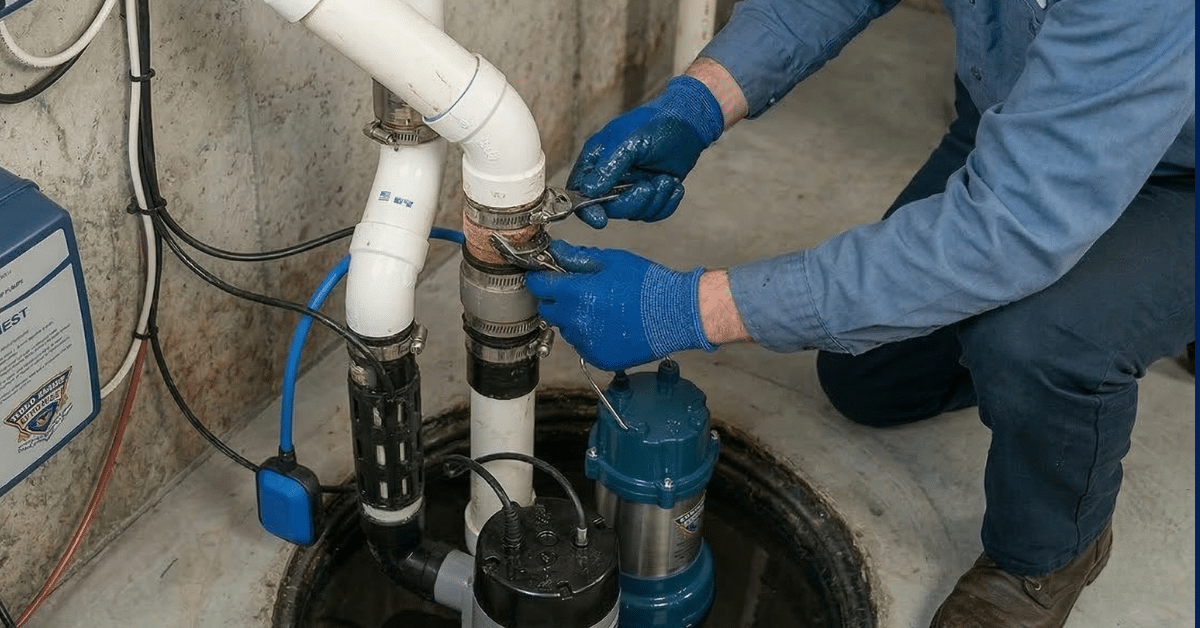
If you want help evaluating your current system, scheduling sump pump maintenance, or talking through sump pump options, Jake Miller Plumbing can help.
Ready to protect your basement before the next big storm? Schedule service with Jake Miller Plumbing or call 317-861-8334 to ask about sump pump installation, sump pump replacement, and battery backup options. Jake Miller Plumbing serves residential homeowners across Central Indiana, Monday through Friday, 8:00 a.m. to 4:00 p.m.
FAQs
Is a battery backup sump pump really worth it?
For many homeowners, yes. If your basement is vulnerable to water intrusion during storms or power outages, a backup provides a second layer of protection when the main pump cannot run or keep up. FEMA specifically recommends a battery-operated backup pump for power failure.
Will a sump pump work if the power goes out?
A standard sump pump usually will not run during an outage unless it has backup power. That is one of the main reasons battery backup systems are recommended for homes that rely on sump pumps.
What can happen if my sump pump fails during a storm?
If a sump pump fails during heavy rain or a power outage, water can build up in the pit and eventually enter the basement. That can lead to damaged flooring, drywall, furniture, stored items, and expensive cleanup. Flooded-basement cleanup commonly averages around $4,000.
Can a battery backup help protect finished basements?
Yes. Finished basements often contain drywall, flooring, furniture, electronics, and personal keepsakes that are more vulnerable to water damage. A backup helps reduce the risk of a failure turning into a much larger cleanup and repair project.
How do I know whether to ask about a backup?
It is worth asking if your pump is older, runs often during wet weather, your home has flooded before, or your neighborhood has had storm-related outages. It is also a smart conversation to have if you are already planning a sump pump replacement.